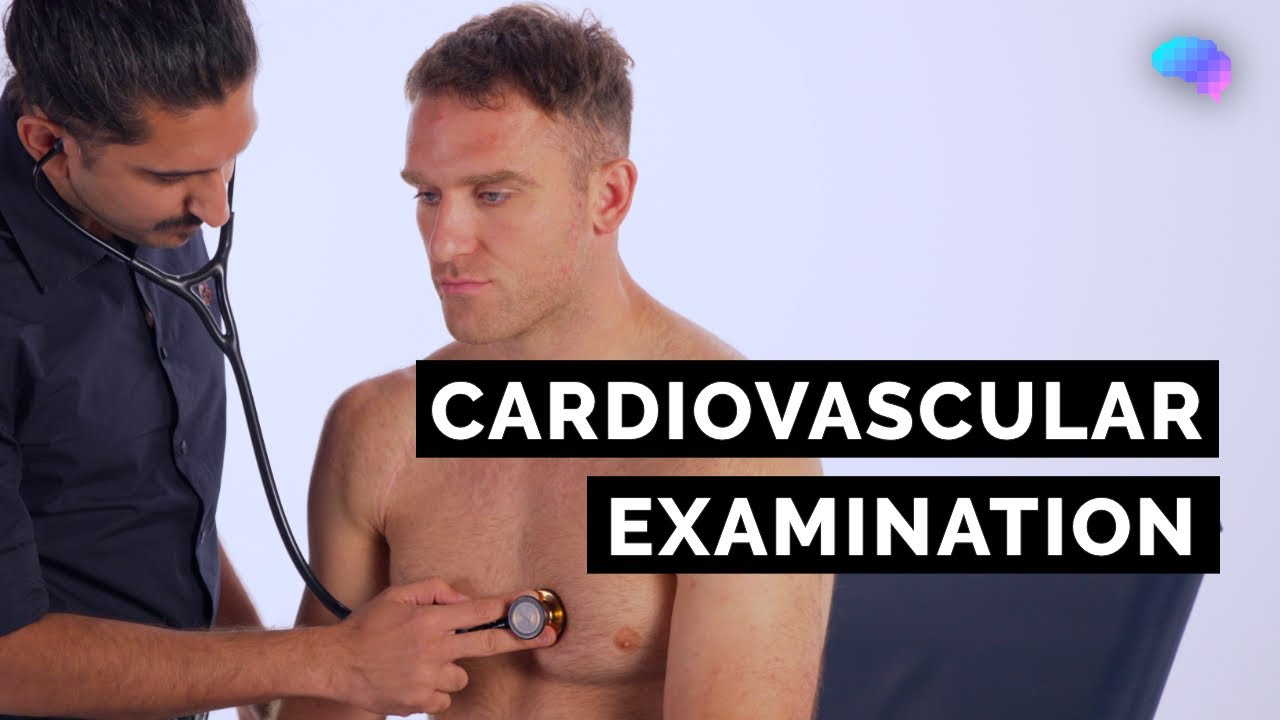
Mastering the Geeky Medics Cardiovascular Exam: A Step-by-Step Approach to Clinical Skills
The cardiovascular system is the heart of human physiology, and its thorough examination is a cornerstone of medical practice. For aspiring clinicians and seasoned professionals alike, developing a systematic and accurate approach to assessing heart function is paramount. This is where resources like the
Geeky Medics Cardiovascular Exam come into play, offering a comprehensive, step-by-step guide designed to build and refine essential clinical skills. Based on popular educational platforms, this guide transforms complex anatomical and physiological concepts into practical, actionable steps, ensuring you're well-equipped to identify abnormalities and make informed diagnostic decisions.
Why the Geeky Medics Cardiovascular Exam Matters for Clinical Excellence
The ability to perform a robust cardiovascular examination is not just an academic exercise; it's a critical tool for patient care. It allows clinicians to evaluate the heart, blood vessels, and related structures for normal function or underlying pathology. Conditions such as heart murmurs, arrhythmias, valve diseases, hypertension, heart failure, and coronary artery disease often present with subtle physical signs that only a meticulously executed exam can uncover.
Historically, the cardiovascular exam has evolved from early medical observations, with modern standardization largely influenced by figures like Sir James Mackenzie in the 19th century. Today, its importance is continually reinforced by organizations such as the American Heart Association, whose guidelines emphasize that a thorough physical exam can significantly reduce misdiagnosis rates by detecting subtle signs early.
For medical students preparing for challenging clinical rotations or high-stakes Objective Structured Clinical Examinations (OSCEs), the
Geeky Medics Cardiovascular Exam offers an invaluable framework. It doesn't just teach techniques; it hones critical thinking, patient interaction, and the ability to link physical findings to clinical reasoning. By providing clear tutorials, often supplemented with visual aids, videos, and mnemonics, platforms like Geeky Medics demystify the process, making it accessible and digestible. This structured learning is crucial for transforming theoretical knowledge into practical competence, ensuring students can confidently
mastering the cardiovascular exam in an OSCE setting.
The Foundational Principles: History, Inspection, Palpation, Percussion, and Auscultation (IPPA)
The cardiovascular exam is typically structured around a systematic framework, most commonly known as IPPA: Inspection, Palpation, Percussion, and Auscultation. While imaging modalities have reduced the reliance on percussion in modern practice, understanding its historical context and conceptual purpose remains valuable. Each component serves a distinct purpose, and mastering them individually contributes to a holistic assessment. For a deeper dive into these techniques, explore
IPPA & Beyond: Comprehensive Cardiovascular Exam Techniques Explained.
1.
History Taking: Before even touching the patient, a detailed history is paramount. This involves identifying key risk factors like smoking, diabetes, hypertension, hyperlipidemia, and a family history of heart disease. Crucially, ask about specific symptoms such as chest pain (character, radiation, aggravating/alleviating factors), dyspnea (at rest, on exertion, orthopnea, paroxysmal nocturnal dyspnea), palpitations (awareness of heartbeat, regularity), syncope (fainting), and edema. This initial dialogue guides your physical examination, helping you to focus on specific areas of concern.
2.
Inspection: This visual assessment begins as soon as you greet the patient. Look for general signs of distress, cyanosis (bluish discoloration, indicating deoxygenated blood), pallor (paleness), and clubbing of the fingers. Specifically for the cardiovascular system, inspect the neck for jugular venous distension (JVD), the chest for deformities (e.g., pectus excavatum or carinatum), surgical scars, and the presence of a visible apex beat (the point where the heartbeat is most prominent, typically in the fifth intercostal space). Peripheral signs like xanthelasma (fat deposits around the eyes) or corneal arcus can also provide clues.
3.
Palpation: This involves using your hands to feel for specific signs.
*
Pulses: Systematically palpate peripheral pulses (radial, brachial, carotid, femoral, popliteal, dorsalis pedis, posterior tibial) to assess rate (normally 60-100 beats per minute), rhythm, volume, and character.
*
Apex Beat: Locate the apex beat, usually in the fifth intercostal space, mid-clavicular line. Note its location (displacement suggests cardiomegaly), character (normal vs. sustained, heaving, or tapping), and size.
*
Thrills and Heaves: Palpate over the precordium for thrills (palpable vibrations indicating turbulent blood flow, often associated with murmurs) or heaves (abnormal lifting impulses, often indicating ventricular hypertrophy).
4.
Percussion: While less commonly performed today due to the widespread availability of imaging, percussion traditionally involved tapping the chest to assess heart size and borders. It's largely been replaced by chest X-rays and echocardiography for more accurate assessment of cardiac dimensions.
5.
Auscultation: Using a stethoscope, this technique allows you to listen to heart sounds. Systematically listen over the four main valve areas:
*
Aortic area: Second right intercostal space, sternal border.
*
Pulmonary area: Second left intercostal space, sternal border.
*
Tricuspid area: Fourth left intercostal space, sternal border.
*
Mitral area (Apex): Fifth left intercostal space, mid-clavicular line.
Listen for the two primary heart sounds, S1 and S2.
S1 represents the closure of the atrioventricular valves (mitral and tricuspid), marking the beginning of systole.
S2 represents the closure of the semilunar valves (aortic and pulmonary), marking the end of systole. Abnormalities in these sounds, such as murmurs (extra sounds caused by turbulent blood flow through damaged or narrowed valves), gallop rhythms (S3 or S4), or rubs (pericardial friction rubs), are crucial diagnostic indicators.
A Step-by-Step Guide to the Geeky Medics Cardiovascular Exam
Performing the
Geeky Medics Cardiovascular Exam requires a systematic approach to ensure no crucial sign is missed. This guide integrates standard protocols with practical advice:
1.
Preparation and Consent:
*
Wash your hands thoroughly and don appropriate Personal Protective Equipment (PPE) if indicated.
*
Introduce yourself, stating your name and role.
*
Confirm the patient’s name and date of birth for accurate identification.
*
Explain the examination clearly in patient-friendly language, outlining what it will involve.
*
Gain explicit consent to proceed.
*
Position the patient: Adjust the head of the bed to a 45° angle.
*
Ensure adequate exposure: Ask the patient to expose their chest fully, offering a blanket for modesty and ensuring they are comfortable. Inform female patients that they do not need to remove their bra if it can be easily adjusted. Exposure of the lower legs is also helpful for assessing peripheral edema.
2.
General Inspection (from the end of the bed):
* Observe the patient's general appearance: Are they comfortable? Breathless? Pale? Cyanosed?
* Note any obvious distress, abnormal breathing patterns, or surgical scars.
3.
Hands and Arms:
* Inspect for clubbing, cyanosis, tar staining, xanthelasma.
* Check capillary refill time (normal < 2 seconds).
* Palpate radial pulses for rate and rhythm (regularly regular, irregularly regular, irregularly irregular). Compare bilaterally.
* Palpate brachial pulses.
4.
Face and Neck:
* Inspect the conjunctiva for pallor (anemia).
* Observe the neck for JVD (from the end of the bed, then closely).
* Palpate carotid pulses (one at a time) and auscultate for bruits if indicated.
5.
Chest Inspection:
* Look for scars (e.g., sternotomy), deformities, and visible apex beat.
6.
Chest Palpation:
* Locate and characterize the apex beat.
* Palpate for thrills and heaves.
7.
Auscultation of the Precordium:
* Use the diaphragm of the stethoscope for high-pitched sounds (S1, S2, aortic/mitral regurgitation).
* Use the bell for low-pitched sounds (S3, S4, mitral stenosis).
* Auscultate systematically over the aortic, pulmonary, tricuspid, and mitral areas.
* Listen for S1 and S2, noting their intensity and splitting.
* Listen for murmurs: timing (systolic/diastolic), character, radiation, intensity (Grade 1-6).
* Listen for added sounds (S3, S4, pericardial rub).
8.
Posterior Chest and Lower Legs:
* Briefly inspect the sacrum for edema (in bedridden patients).
* Inspect the lower legs for edema (pitting/non-pitting), skin changes, and hair loss.
* Palpate for pedal pulses (dorsalis pedis and posterior tibial).
9.
Completion:
* Cover the patient, thank them, and help them sit up if needed.
* Summarize your findings and offer to discuss them further.
Mastering the Nuances: Advanced Tips and Common Pitfalls
Beyond the basic steps, true mastery of the
Geeky Medics Cardiovascular Exam lies in understanding the nuances and avoiding common pitfalls.
*
Practice Makes Perfect: Repetition in a controlled environment and then with real patients is crucial. Each patient presents a unique challenge, refining your ability to adapt.
*
Link Findings to Pathophysiology: Don't just identify a sign; understand *why* it's there. A displaced apex beat coupled with an S3 gallop strongly suggests left ventricular dilatation and heart failure.
*
Patient Communication: A calm, reassuring demeanor facilitates cooperation. Explain what you're doing, especially during potentially uncomfortable parts like palpating the carotids.
*
Environmental Factors: Ensure a quiet room for auscultation. A noisy environment can mask subtle murmurs.
*
Common Pitfalls:
*
Rushing: This is the most common error. Take your time, especially during auscultation.
*
Inadequate Exposure: Modesty is important, but proper exposure is non-negotiable for an accurate exam.
*
Missing Subtle Signs: Early signs of heart failure or valve disease can be very subtle. Focus and attention to detail are key.
*
Poor Stethoscope Technique: Ensure proper earpiece orientation and firm pressure with the diaphragm, light pressure with the bell.
Integrating the Geeky Medics Approach into Your Clinical Practice
The
Geeky Medics Cardiovascular Exam framework is more than just a checklist; it's a philosophy for approaching patient assessment. By systematically applying these techniques, you're not only gathering data but also building a mental map of the cardiovascular system, allowing for quicker and more accurate diagnosis. As you gain experience, the individual steps will flow seamlessly, becoming an intuitive part of your clinical reasoning process. Embrace continuous learning, regularly review your technique, and seek feedback to refine your skills. Ultimately, a well-performed cardiovascular exam empowers you to provide the best possible care, detecting critical conditions early and guiding effective treatment strategies for your patients.